What a video package costs, the value each style of video has brought our clients, and how to work out whether a video will pay for itself.
- A half day shoot with two crew is $4,500. Most corporate and campaign videos land between $8,000 and $25,000.
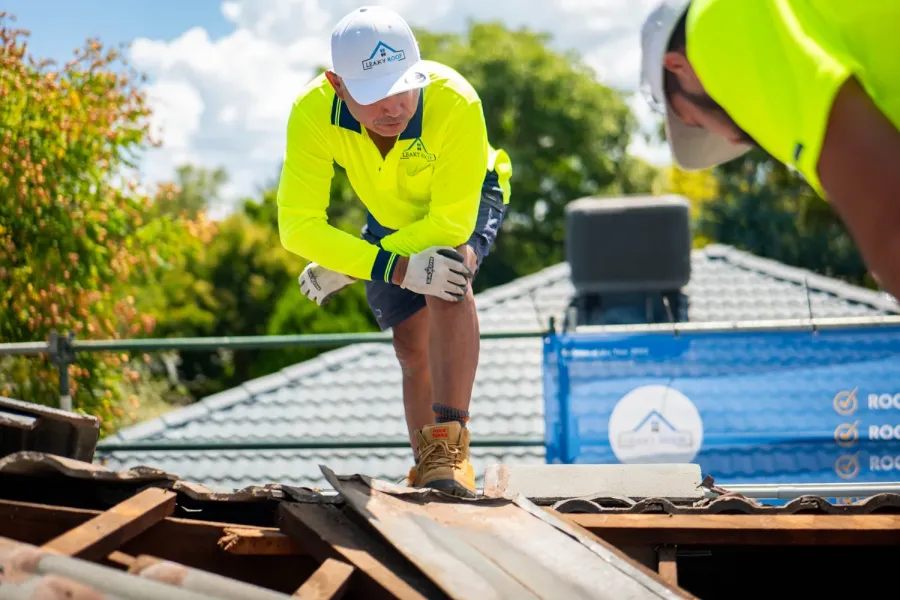
- For Leaky Roof, a campaign combining paid ads, video and photography took total revenue up 2.15 times in two months, a 3:1 return including ad spend and our fees.
- Each style of video earns its value differently: trust, understanding, reach, sales or hours saved.
- Divide the cost by what one result is worth to you to see how many results the video needs to pay for itself.
Most people who ask what a video costs are really asking whether it will be worth it. A price only means something next to what the video does for your business. So this guide covers both: what a video package costs, the different styles of video and the value each one has brought our clients, and how to work out whether a video will pay for itself before you spend anything.
What a video package costs
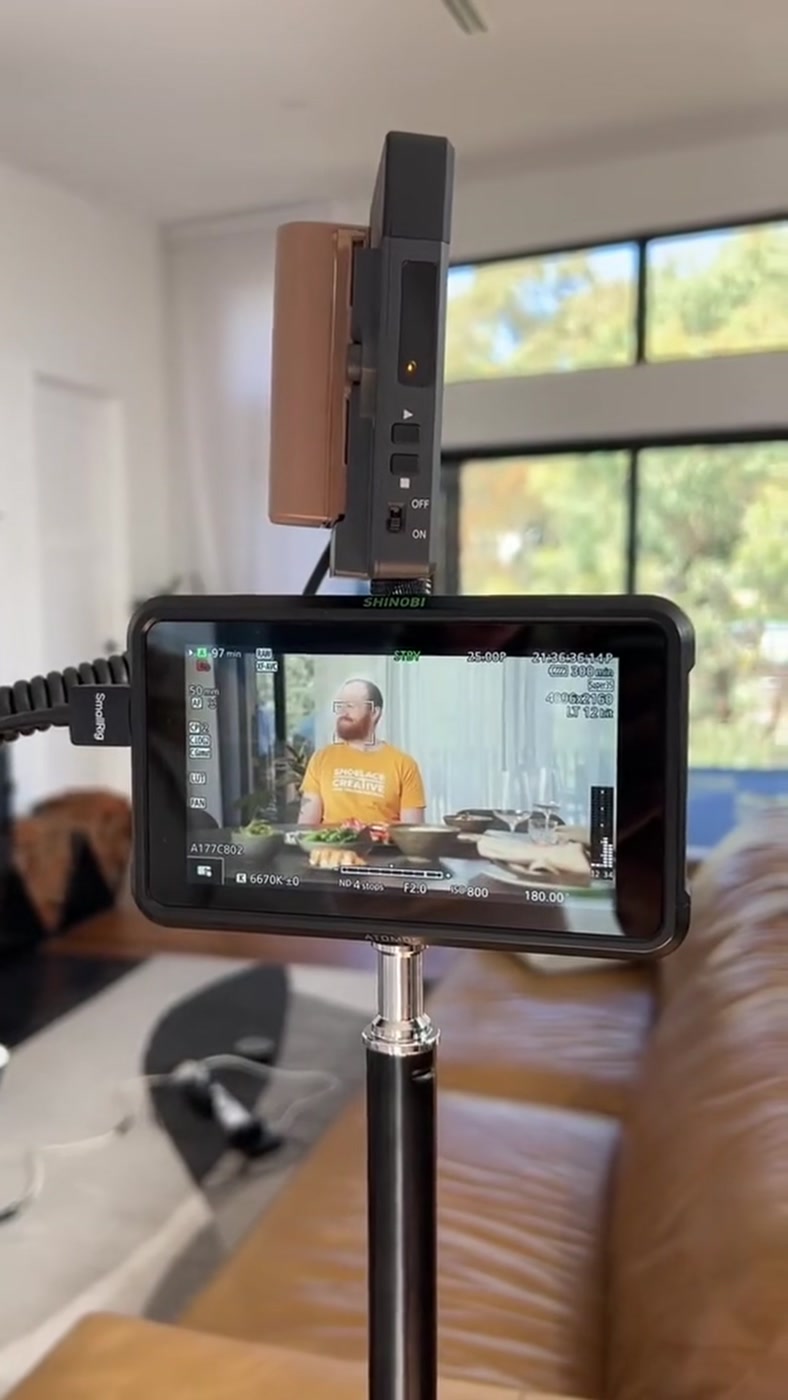
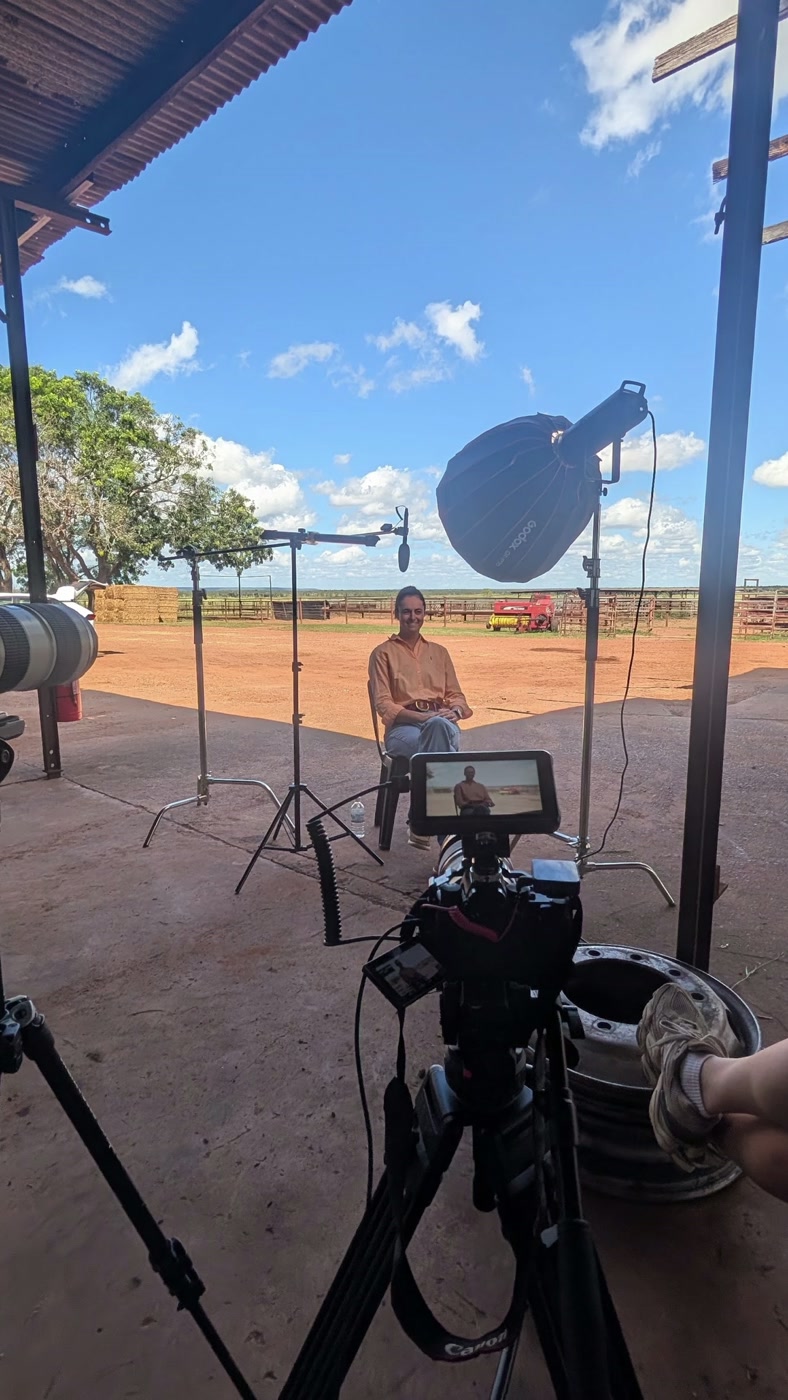
A half day shoot. Two crew, up to four hours on site, and the gear to cover interviews and B-roll is $4,500. It suits a single location story: one interview, the space, the people at work. Edit, captions and the versions you need are quoted on top.
Corporate and campaign video. Most of our corporate and campaign work lands between $8,000 and $25,000. The spread comes from shoot days, locations, talent, motion graphics and how many cutdowns the campaign needs across Meta, YouTube and LinkedIn.
Monthly content retainers. A retainer books planned shoot days each month and turns them into a steady run of edits for your channels. You get one team that knows your brand and a predictable monthly cost instead of a new quote every time.
What our projects show
We would rather show you our own numbers than quote someone else's. A few results from recent work:
- Leaky Roof: a campaign combining strategy, paid ads, video, photography and email took total revenue up 2.15 times in two months, a 3:1 return once cost of goods, ad spend and our fees were counted.
- Leaselab: one shoot day a month delivered 62,500+ organic views in the first three months, and their data shows video beats static posts on every platform.
- NFSA: a single production delivered 550+ photos and 13 videos across three teams' briefs.
- Rubicon Water: a case study film opened a grower workshop in California, chosen by the workshop, not by Rubicon.
None of these came from making a video and hoping. Each one had a clear job and a plan for where it would be seen.
The better question is not what a video costs. It is what one more client, customer, hire or saved hour is worth to you.
Video styles and the value each one brings
Brand film or company video
The job: tell people who you are and why you are worth choosing, in a couple of minutes.
The value: it does the introduction for you on your homepage, in pitches, in tenders and at the start of every sales conversation. For BAI Communications we filmed across two states and three days on sites and towers to deliver a company video on time for their launch, with the raw footage handed over so they can keep using it.
Measure it by: enquiries from the pages it sits on, and how often your sales team sends it.
Explainer video
The job: make a service, rule or process easy to understand.
The value: fewer people get confused and fewer people call to ask the same questions. For the NVES Regulator we made a three-part series with motion graphics to explain the new vehicle efficiency standard in plain English, plus a 90-second version for public channels.
Measure it by: support calls and emails on that topic, and how far people get through a sign-up or booking.
Case study and testimonial video
The job: let a real client tell the story of what you did for them.
The value: a customer saying it carries more weight than you saying it. Rubicon Water's case study premiered to around 50 staff, was used by a customer to open its own grower workshop in the US, and led to a second film. For GameChange, four case study videos were shown at the program's launch to support further funding. For high-value work, winning one extra client usually covers the whole video.
Measure it by: win rate on pitches where it was sent, and the value of the work it helps win.
Campaign and ad video
The job: drive a specific action, such as a sale, booking, ticket or enquiry, during a campaign.
The value: it is the most directly measurable style, because ad platforms report cost per click, lead and sale. For Leaky Roof, the $99 inspection ad on Meta reached a 3.26% click-through rate, website traffic rose 96.4% and total revenue grew 2.15 times in two months.
Measure it by: cost per lead or sale against what a customer is worth to you.
Social content
The job: keep you in front of your audience every week.
The value: reach and familiarity that compound over time, so people already know you when they are ready to buy. For Leaselab, LinkedIn performance rose 100 to 200% in the second month, Facebook views rose 115% and Instagram new follows rose 77% on the previous period, with Facebook messages turning into sales conversations.
Measure it by: reach, follows and enquiries that mention your socials.
Event video
The job: capture a moment that only happens once and turn it into content.
The value: fast edits fill your channels while people are still talking about the event, and sell the next one. Austrade started sharing our content during Fine Food Australia, set it as the benchmark for future events and rebooked us within weeks. AgriFutures re-cut its gala recap to promote the following year's award, and two finalist films were supplied to ABC Landline for a story.
Measure it by: early ticket sales, sponsor renewals and how widely the content is shared.
Training and induction video
The job: teach the same thing to many people, the same way, every time.
The value: it earns its keep in hours, not sales. Every new starter hears the same message, and senior staff stop repeating the same session. Omni refreshed its induction video in 2025 and again in 2026 so new starters always meet the current team. Work out the value with your own numbers: hours each induction takes, multiplied by how many people you train a year, multiplied by what an hour of that person's time costs.
Measure it by: hours saved and fewer errors or questions from new starters.
Recruitment video
The job: show what it is really like to work for you.
The value: better fit applicants who know what they are signing up for, which matters most when a bad hire or a slow hire is expensive. Recruitment video is part of the 19+ videos we have made for Omni over three years.
Measure it by: applications per role, time to hire and how long new hires stay.
Launch and hype reels
The job: build excitement for something new, such as a building, a product or a rebrand.
The value: it lets people picture something before it exists or opens. Journal Student Living got a 54-second homepage reel and 5-second ads for a building still being finished, and has come back twice since.
Measure it by: enquiries, bookings or sign-ups in the launch window.
How to work out the value before you spend
- Pick the style and the job. A sale, an enquiry, a hire or an hour saved.
- Work out your dollar figure tied to one of those results. What is one new client, customer or saved hour worth to you?
- Divide the cost by that figure. That is how many results the video needs to pay for itself. For example, a $10,000 video and a client worth $2,000 means five new clients to break even.
If that number looks easy to reach, the video is worth making. If it looks hard, change the scope before you change the goal.
What pushes the cost up
Time on site, how many crew and how many deliverables drive most of the price. After that come talent, permits and travel, motion graphics and animation, and how fast you need it. Map all of these out before you ask for a quote and the number you get back will be accurate.
Getting more value from the same budget
- Plan every placement up front. One shoot can cover your website, ads, social and pitch decks if we know about them before the day. That is how one NFSA production covered three teams' briefs.
- Cut more from what you shoot. Short versions and vertical edits cost far less than a second shoot day.
- Keep using it. A good brand or case study video works for years in sales, onboarding and recruitment.
How to get an accurate quote
Tell us the result you want the video to achieve, where it will be published and when you need it. With those three things we can send a written scope and quote within one business day.
Clear quote, written scope, reply within one business day.
More from the team.